
Understanding Energy Consumption in Storage Cabinets
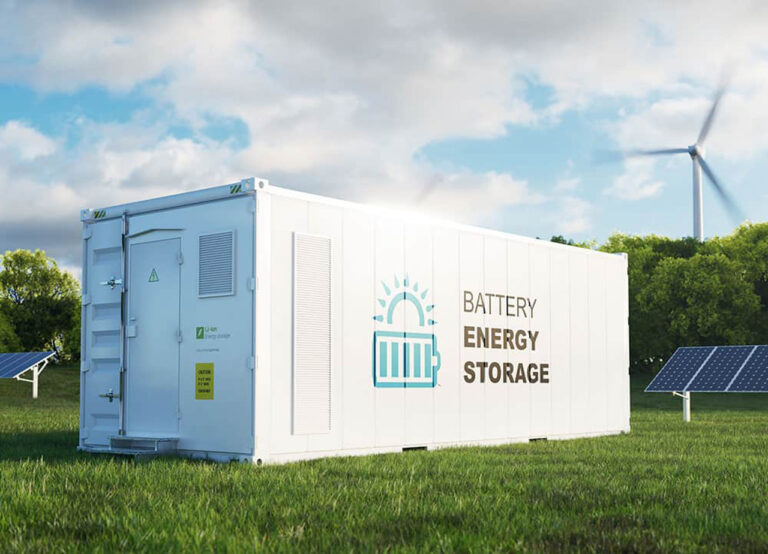
As the usage of renewable energy continues to increase, energy storage systems have gained significant attention. However, there is an overlooked topic regarding the energy consumption of the storage cabinets themselves. These cabinets contain batteries, cooling devices, and control systems, which require a continuous power supply. Optimizing their energy usage is crucial for enhancing the efficiency of the entire system. The newer storage cabinet designs have adopted low-energy cooling, intelligent battery management, and predictive maintenance technologies to reduce unnecessary energy consumption. With sustainable development advocates promoting transparent energy reporting, the efficiency of storage cabinets is becoming a key indicator for evaluating green technologies.
Localized energy storage and macro-level energy security
Against the backdrop of global geopolitical uncertainties, the vulnerability of traditional fossil fuel supply chains is becoming increasingly apparent. Building a localized energy supply system combining renewable energy generation and energy storage offers a more robust alternative.
A well-developed energy storage network can substantially hedge against the risks of external fuel price fluctuations. By reducing physical dependence on imported energy, a nation’s overall energy self-sufficiency and controllability will be significantly enhanced.
Uneven regional development and grid pressure
Asia is projected to contribute 74.2% of new installed capacity by 2025, reaching a total capacity of 2891 GW. With the concentrated integration of a high proportion of renewable energy sources, the region is accelerating the deployment of energy storage networks to maintain supply and demand balance.
In contrast, Central America and the Caribbean have a total installed renewable energy capacity of only 21 GW. Due to lagging development of regulation infrastructure such as energy storage, the energy systems in these regions are more vulnerable to price shocks in the international oil and gas market.
The depth of transformation is determined by the system's adaptability.
Looking at the current structure of new power generation technologies, hydropower is adding only 18.4 GW. The incremental growth of renewable energy sources with stable output capabilities, such as biomass and geothermal energy, is even more limited, making it difficult to independently meet the grid’s regulation needs.
The focus of future energy system construction is shifting from simply expanding installed capacity to building comprehensive system dispatch capabilities centered on energy storage. The breadth and efficiency of energy storage technology deployment will directly determine the ultimate success of the global energy transition.