Power Online Monitoring
Power Online Monitoring
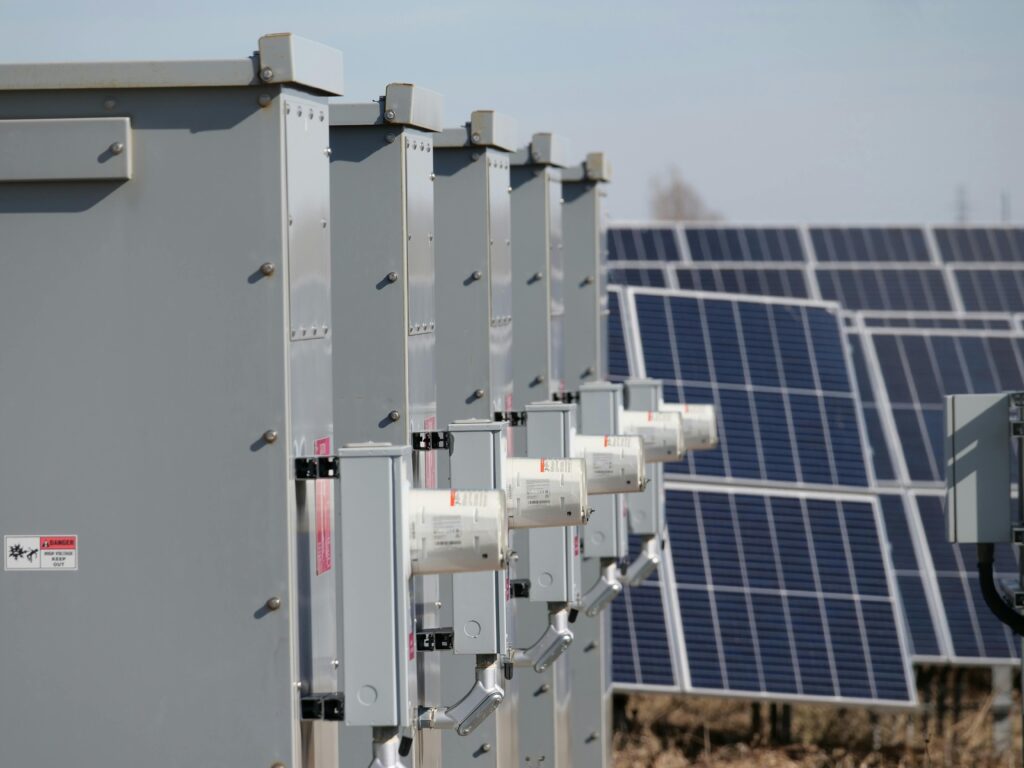
Introduction: In the operation system of the distribution network, the ring main unit serves as an important node equipment for the 10kV distribution network, undertaking key functions such as power distribution, ring network connection, and load transfer. With the continuous increase in the density of urban distribution networks, the number of ring main units has grown rapidly. The operating environment of these devices is complex, and they are often under high-load and sealed operation conditions. In case of insulation deterioration or poor contact, it is highly likely to cause discharge, overheating, or even power outage due to faults.
1. Background
Modern power systems require continuous, real‑time monitoring to ensure operational stability, equipment reliability, and early detection of abnormal conditions. A power system online monitoring solution integrates sensors, communication networks, and intelligent analytics to provide 24/7 visibility into electrical equipment health and grid performance.
2. System Working Principle
– Sensors collect electrical, thermal, mechanical, and environmental data from power equipment.
– Data is transmitted through wired or wireless communication networks.
– A central monitoring platform performs data processing, trend analysis, and fault prediction.
– Alerts and diagnostic reports are generated automatically for maintenance teams.
– Cloud or local servers store historical data for long‑term analysis.
Simplified System Architecture:
[Equipment Sensors] → [Data Acquisition Unit] → [Communication Network] → [Monitoring Platform] → [Analytics & Alerts]
3. System Components
- **Multi‑Parameter Sensors** – Measure voltage, current, temperature, vibration, humidity, and partial discharge.
- **Data Acquisition Unit (DAU)** – Aggregates sensor data and performs initial filtering.
- **Communication Module** – Supports fiber‑optic, 4G/5G, Wi‑Fi, or industrial Ethernet.
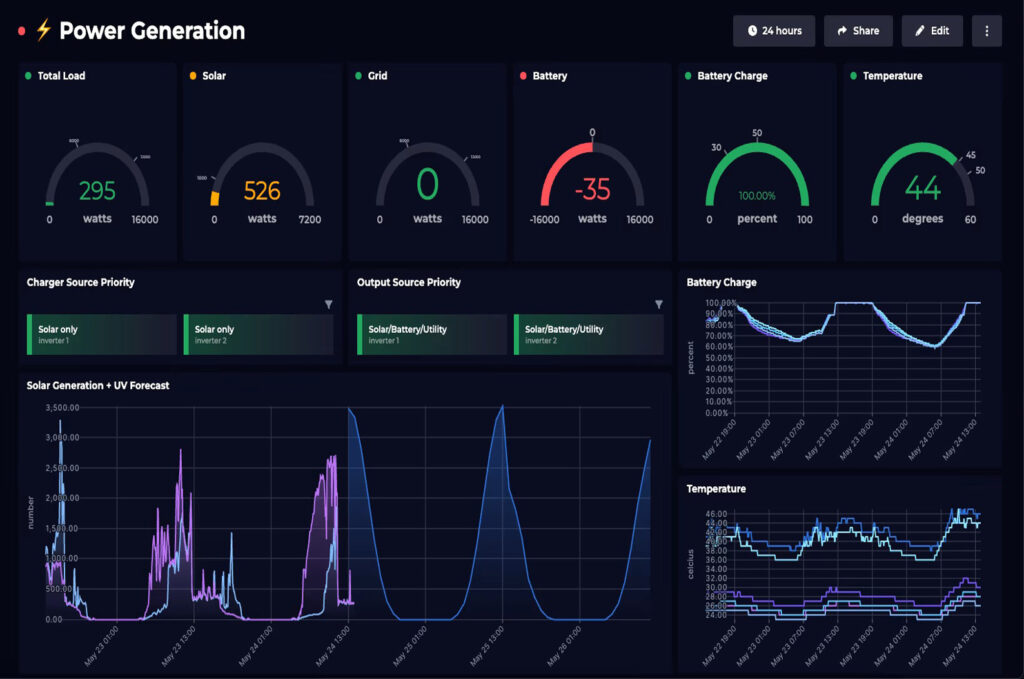
- **Central Monitoring Platform** – Provides dashboards, alarms, and predictive analytics.
- **Cloud/Local Server** – Stores historical data and supports big‑data analysis.
- **Maintenance Management Interface** – Integrates with work‑order and asset‑management systems.
4. Key Advantages
- Real‑time monitoring of critical power assets
- Early detection of faults and abnormal trends
- Reduced unplanned outages and maintenance costs
- Improved grid reliability and operational transparency
- Scalable architecture for substations, industrial plants, and utility networks
5. Performance Comparison Table
Parameter | Traditional Inspection | Online Monitoring |
Monitoring Frequency | Periodic (monthly/quarterly) | Continuous (24/7) |
Fault Detection Speed | Slow | Immediate |
Data Accuracy | Medium | High (multi‑sensor fusion) |
Maintenance Mode | Reactive | Predictive |
Suitable Environment | Small systems | Large, critical power networks |
6. Recommended Applications
- Power substations (35kV–500kV)
- Industrial power distribution systems
- Renewable energy stations (wind, solar)
- Smart grid and digital substation projects
- Utility asset‑management platforms
7. Conclusion
A power system online monitoring solution provides continuous visibility into equipment health and grid performance. By combining advanced sensors, intelligent analytics, and real‑time communication, it significantly enhances reliability, reduces downtime, and supports the transition toward smart, digitalized power infrastructure.
JUST CLICK FOR BEST SOLUTION
Intelligent temperature and humidity control for both high and low temperatures, provider of power safety solutions