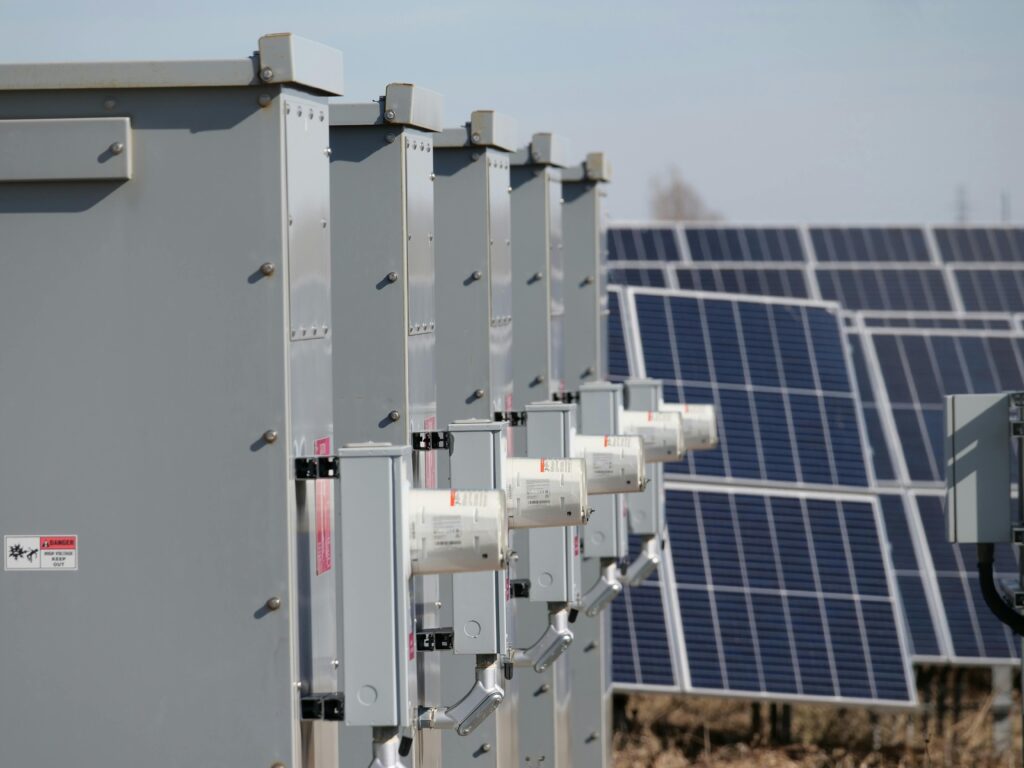
Arc Flash Protection
Arc Flash Protection
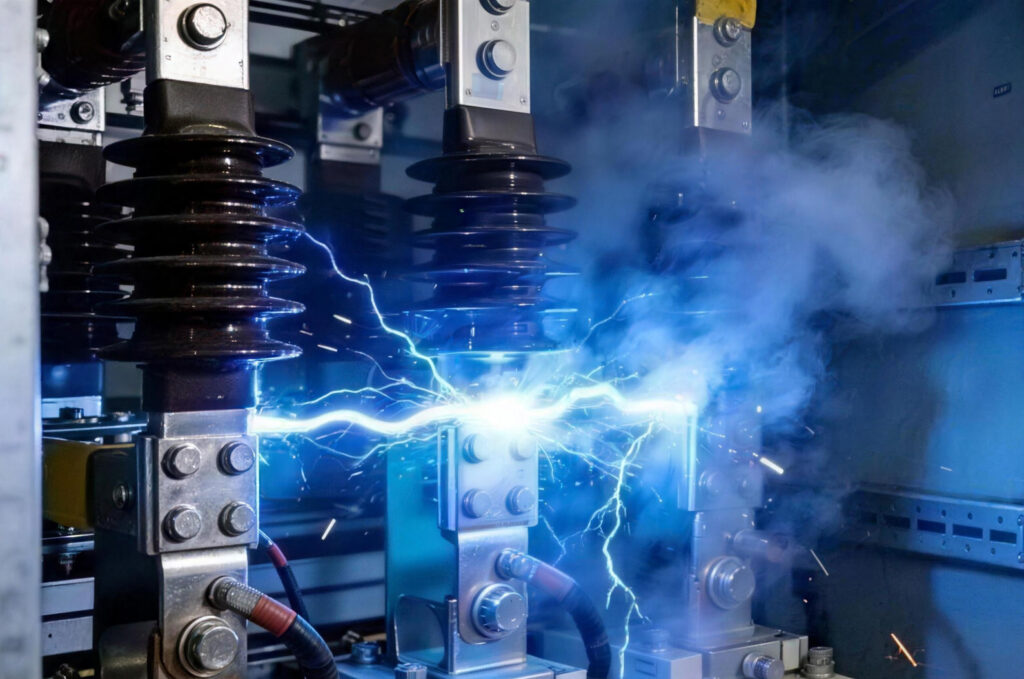
Introduction: In the operation of power systems, arc flash faults remain a latent risk that endangers equipment safety and human life. According to industry statistics, from 2019 to 2023, there were a total of 1,276 arc flash fault incidents in the 35kV and below distribution systems across the country. The average direct economic loss per incident was 426,000 yuan, and the indirect power outage losses exceeded 1.8 million yuan. With the rapid expansion of applications such as new energy power stations and energy storage systems, the shortcomings of traditional protection technologies, such as slow response and unclear positioning, have become increasingly prominent. The industry urgently needs specialized arc flash monitoring and protection solutions.
1. Background
Arc flash is one of the most dangerous faults in medium‑ and high‑voltage power systems. It occurs when insulation failure or conductor breakdown creates a high‑temperature plasma arc, releasing intense heat, pressure, and light. Arc flash incidents can cause severe equipment damage, long outages, and serious personnel injuries.
An arc flash protection system provides ultra‑fast detection and tripping to isolate faults before they escalate. By combining optical sensors, current detection, and intelligent logic, the system significantly improves switchgear safety and operational reliability.
2. System Working Principle
– Optical sensors detect the intense light generated by an arc flash.
– Current transformers (CTs) detect the rapid rise in fault current.
– The protection unit validates both signals (light + overcurrent).
– A high‑speed trip signal is sent to the circuit breaker.
– The arc is extinguished within milliseconds, minimizing damage.
Simplified System Architecture:
[Optical Sensors + CTs] → [Arc Flash Protection Unit] → [High‑Speed Trip Output] → [Circuit Breaker / Switchgear] → [Fault Isolation • Safety Protection]
3. System Components
- Optical Arc Sensors — Detect high‑intensity light from arc initiation.
- Current Transformers (CTs) — Provide overcurrent validation to avoid false trips.
- Arc Flash Protection Unit — Processes sensor signals and issues high‑speed trip commands.
- High‑Speed Trip Interface — Ensures rapid breaker operation.
- Communication Module — Supports SCADA, IEC 61850, or industrial Ethernet.
- Monitoring Platform — Displays events, logs, diagnostics, and maintenance data.
- Self‑Test & Health Monitoring — Ensures system readiness and reliability.
4. Key Advantages
- Ultra‑fast arc flash detection and isolation
- Reduces equipment damage and downtime
- Enhances personnel safety in switchgear rooms
- Dual‑signal logic (light + current) prevents false trips
- Supports multi‑zone protection for complex switchgear layouts
- Compatible with digital substations and IEC 61850
- Real‑time event recording and diagnostics
5. Performance Comparison Table
Parameter | Traditional Protection | Arc Flash Protection System |
Detection Method | Overcurrent only | Optical + Overcurrent |
Response Time | 30–100 ms | 1–10 ms |
Damage Level | High | Very Low |
Personnel Safety | Medium | Very High |
Selectivity | Limited | Multi‑zone configurable |
Maintenance Mode | Reactive | Predictive with diagnostics |
6. Recommended Applications
- Medium‑voltage switchgear (3.3kV–35kV)
- High‑voltage switchgear and substations
- Industrial power distribution centers
- Data centers and mission‑critical facilities
- Renewable energy stations
- Smart grid and digital substation projects
7. Conclusion
Arc flash protection systems provide essential safety and reliability enhancements for modern power distribution networks. By combining optical sensing, overcurrent validation, and high‑speed tripping, the system minimizes arc flash damage and protects both equipment and personnel. It is a key component for utilities and industries pursuing high‑safety, high‑reliability power systems.
JUST CLICK FOR BEST SOLUTION
Intelligent temperature and humidity control for both high and low temperatures, provider of power safety solutions