Descripción
Features and Characteristics
Modular design with a compact structure and advanced technology; a high-speed 32-bit ARM core processor ensures real-time computational performance and precise operational response.
Real-time monitoring of system status and real-time computation enable accurate identification of low-frequency, fundamental-frequency, and high-frequency resonance faults, triggering timely corrective actions.
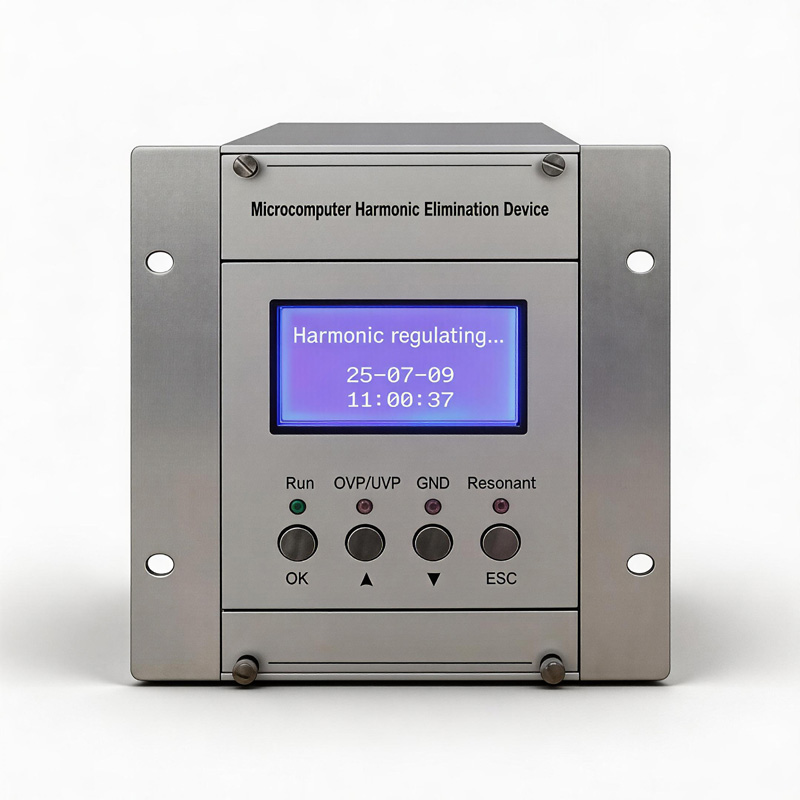
Real-time display of three-phase voltages and open-delta voltage allows for accurate detection of ground faults, over/under-voltage conditions, and resonance events.
If system resonance is re-excited after having been damped and eliminated, the device will immediately reactivate to suppress it once again.
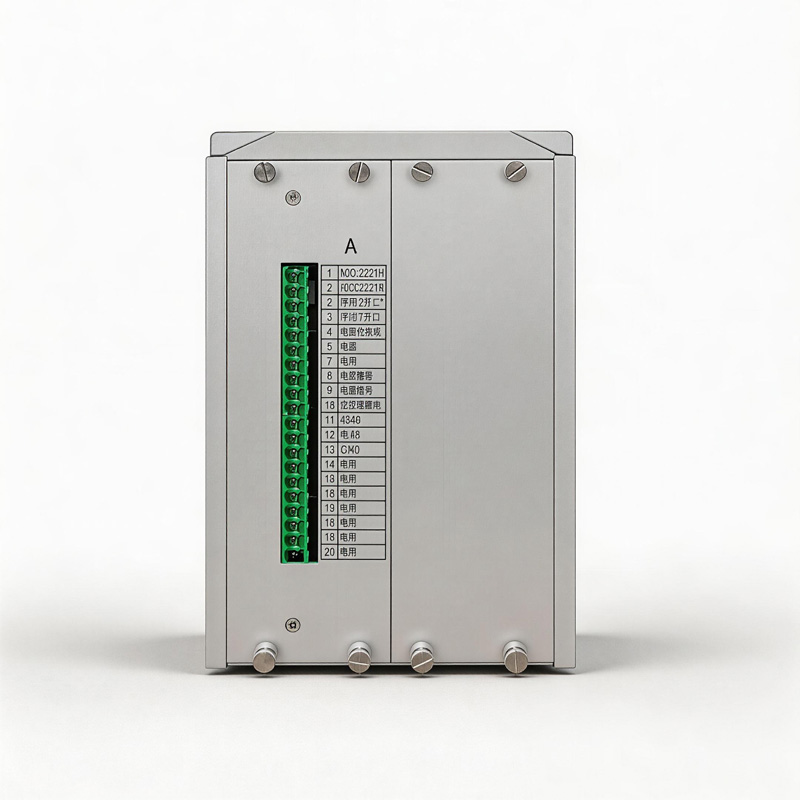
An industrial-standard RS-485 communication interface enables the real-time transmission of system operational status to a host computer.
Fault recall function: a large-capacity Flash memory stores records of the 20 most recent historical faults.
Excellent electromagnetic compatibility makes the device suitable for deployment in complex environments characterized by strong electromagnetic interference.
Dual hardware watchdog circuits ensure the reliability and stability of software operation.
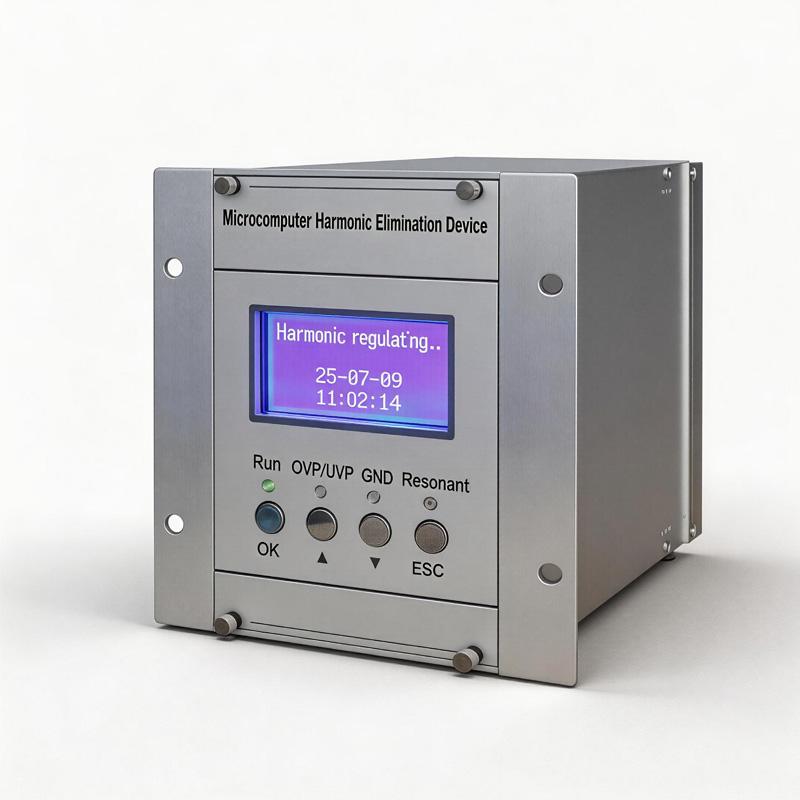
Features a Chinese-language LCD display for clear indication of operational status, combined with a menu-driven interface for convenient and user-friendly operation.
Technical Specifications and Operating Environment
Applicable Scope:** 3kV–35kV systems.
Harmonic Elimination Channels:** 1 channel (2-channel versions available upon request).
Applicable Resonance Frequencies:** High-frequency, low-frequency, and power-frequency resonance.
Harmonic Elimination Activation Voltage:** 30V for low-frequency resonance; 120V for power-frequency and high-frequency resonance.
Voltage Measurement Accuracy:** 0.5%.
Frequency Measurement Accuracy:** ±1Hz.
Alarm Relay Output Contact Capacity:** AC 240V/10A, DC 30V/10A.
Communication Interface:** RS485 @ 9600bps.
Operating Power Supply:** AC 220V ±10%, DC 220V ±10%.
Ambient Temperature:** –10°C to +50°C.
Altitude:** < 2000 meters.
Operating Environment Temperature:** –10°C to +60°C.
Relative Humidity:** 90% (at 25°C), 50% (at 40°C).
Installation Site Requirements:** Must be free from corrosive gases, vapors, and conductive dust; must be free from explosive gases and gases that degrade insulation properties.
Installation Site Facilities:** Must be equipped with protection against wind, rain, and dust.