High-Voltage Cable Partial Discharge Monitoring
High-Voltage Cable Partial Discharge Monitoring
Introduction: In-depth Analysis of Partial Discharge Monitoring Technology for Cables
In the field of high-voltage cable operation and maintenance, the online monitoring technology for partial discharge is undergoing a paradigm shift from “passive repair” to “active protection”.
1. Background
High‑voltage (HV) power cables are critical components in transmission and distribution networks. Insulation defects—such as voids, cracks, poor joints, moisture ingress, and aging—can lead to partial discharge (PD), which is a major cause of cable insulation failure. Because cable faults are difficult and costly to locate and repair, early detection of PD activity is essential. A high‑voltage cable partial discharge online monitoring system provides continuous, real‑time detection of PD signals, enabling predictive maintenance and preventing catastrophic cable failures.
2. System Working Principle
– Distributed or point‑type sensors detect PD signals along the cable or at joints/terminations.
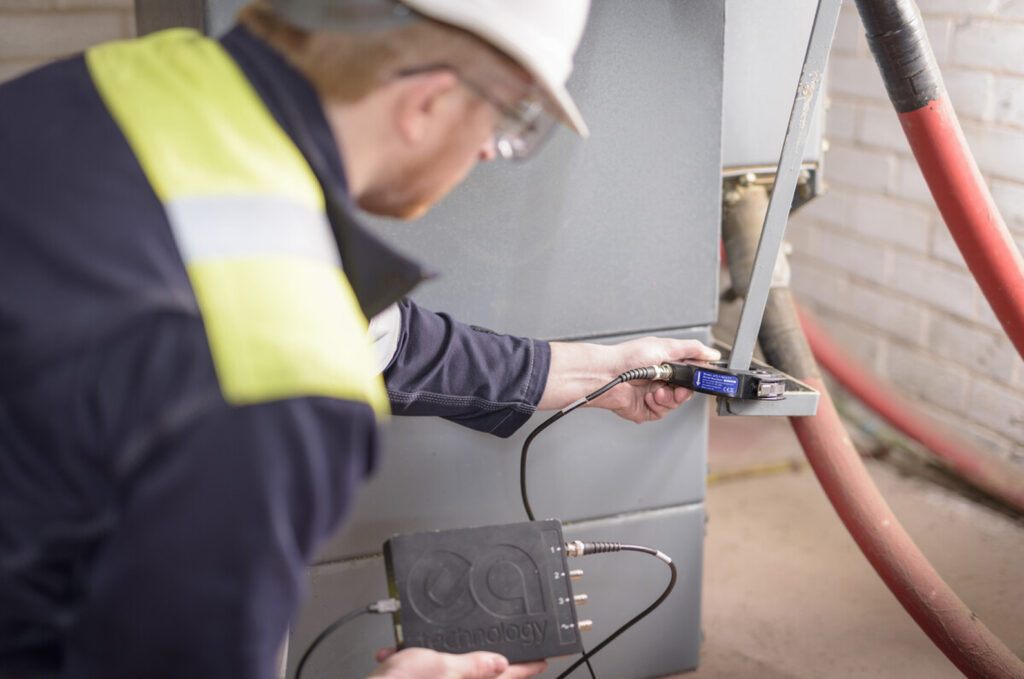
– Sensors capture high‑frequency current pulses, electromagnetic emissions, or acoustic signals.
– A data acquisition unit (DAU) performs filtering, pulse extraction, and pattern recognition.
– Communication modules transmit processed data to a central monitoring platform.
– The platform analyzes PD trends, identifies defect types, and issues alarms.
Simplified System Architecture:
[HFCT/UHF/Acoustic Sensors] → [DAU] → [Communication Network] → [Monitoring Platform] → [PD Analysis & Alarms]
3. System Components
- **HFCT Sensors (High‑Frequency Current Transformers)** – Detect PD pulses on cable grounding lines.
- **UHF Sensors** – Capture electromagnetic emissions from PD activity.
- **Acoustic Sensors** – Detect sound waves generated by discharge events.
- **Distributed Monitoring Units** – Installed along long cable routes.
- **Data Acquisition Unit (DAU)** – Performs signal processing and data aggregation.
- **Communication Module** – Supports fiber‑optic, industrial Ethernet, or wireless networks.
- **Central Monitoring Platform** – Provides PD pattern recognition, alarms, and historical trend analysis.
4. Key Advantages
- Early detection of insulation defects in cables, joints, and terminations
- High sensitivity to various PD types (voids, cracks, moisture, aging)
- Continuous 24/7 monitoring improves operational reliability
- Supports predictive maintenance and reduces outage risk
- Suitable for long‑distance underground and submarine cables
5. Performance Comparison Table
Parameter | Periodic Inspection | Online Monitoring |
Monitoring Frequency | Annual/Quarterly | Continuous (24/7) |
PD Detection Sensitivity | Medium | High (multi‑sensor fusion) |
Fault Identification Speed | Slow | Immediate |
Data Accuracy | Medium | High |
Maintenance Mode | Reactive | Predictive |
6. Recommended Applications
- High‑voltage underground cable systems (35kV–500kV)
- Submarine power cables
- Cable tunnels and cable trenches
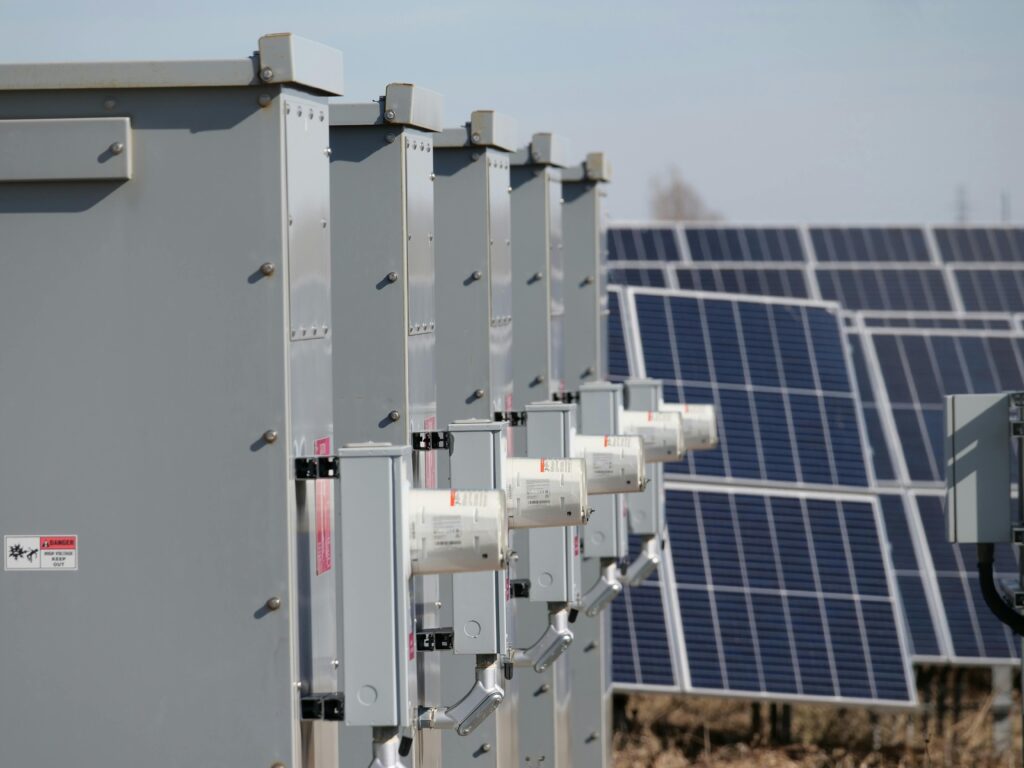
- Renewable energy grid‑connection cables
- Industrial power distribution networks
7. Conclusion
A high‑voltage cable partial discharge online monitoring system provides essential protection for critical cable assets. By continuously monitoring PD activity and analyzing discharge patterns, it enables early detection of insulation defects, prevents cable failures, and enhances the reliability of modern power transmission and distribution networks.
JUST CLICK FOR BEST SOLUTION
Intelligent temperature and humidity control for both high and low temperatures, provider of power safety solutions