Skip to content
GIVE AN HOUR FOR EARTH
+86 130 367 94125
info@ottai-power.com
Home
Products
Industrial Dehumidifying Air Conditioner
Semiconductor Dehumidification
Semiconductor Refrigeration
Ceiling Dehumidifier
Industrial Dehumidifier
Industrial Cabinet Air Conditioner
Humidifier
Cabinet Dehumidifier
Heat Exchanger
Commercial Dehumidifier
High-temperature Air Conditioner
Rotary Dehumidifier
Online Power Monitoring
Partial Discharge Monitoring
Temperature Measurement
Gas Fire Extinguishing
Optical Protection System
Arc Protection System
Fluorescent Temperature Measurement
High and Low Voltage Components
Electric Instrument
Dry-type Transformer
Overvoltage Protector
Switch Cabinets Intelligent Controller
Microcomputer Harmonic Elimination
Temperature & Humidity Controller
Solutions
Projects
About
Blog
Contact
Home
Products
Industrial Dehumidifying Air Conditioner
Semiconductor Dehumidification
Semiconductor Refrigeration
Ceiling Dehumidifier
Industrial Dehumidifier
Industrial Cabinet Air Conditioner
Humidifier
Cabinet Dehumidifier
Heat Exchanger
Commercial Dehumidifier
High-temperature Air Conditioner
Rotary Dehumidifier
Online Power Monitoring
Partial Discharge Monitoring
Temperature Measurement
Gas Fire Extinguishing
Optical Protection System
Arc Protection System
Fluorescent Temperature Measurement
High and Low Voltage Components
Electric Instrument
Dry-type Transformer
Overvoltage Protector
Switch Cabinets Intelligent Controller
Microcomputer Harmonic Elimination
Temperature & Humidity Controller
Solutions
Projects
About
Blog
Contact
Get A Free Quote
Home
/
Online Power Monitoring
/
Partial Discharge Monitoring
/
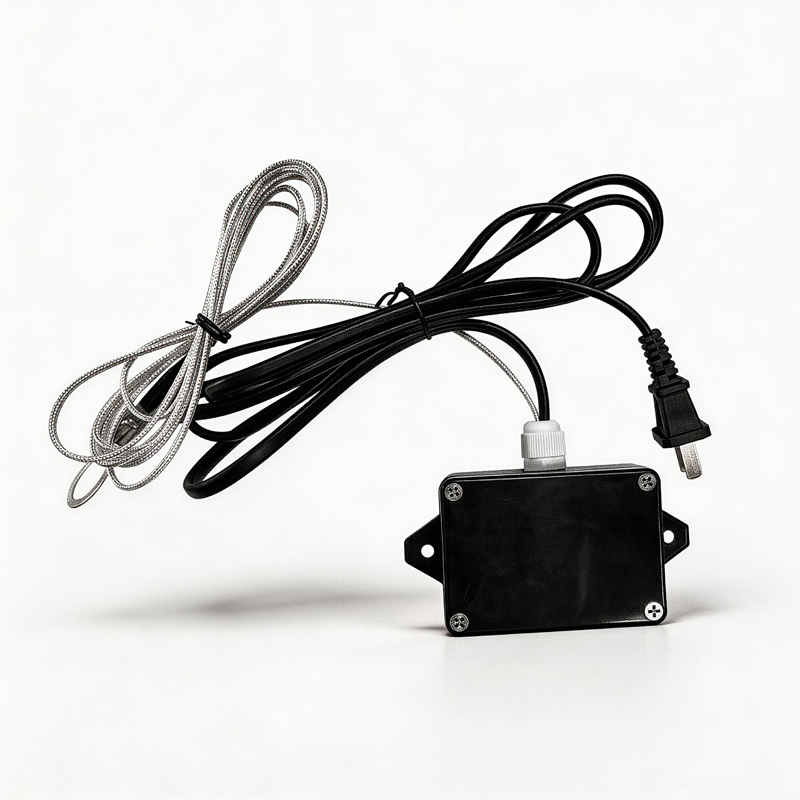
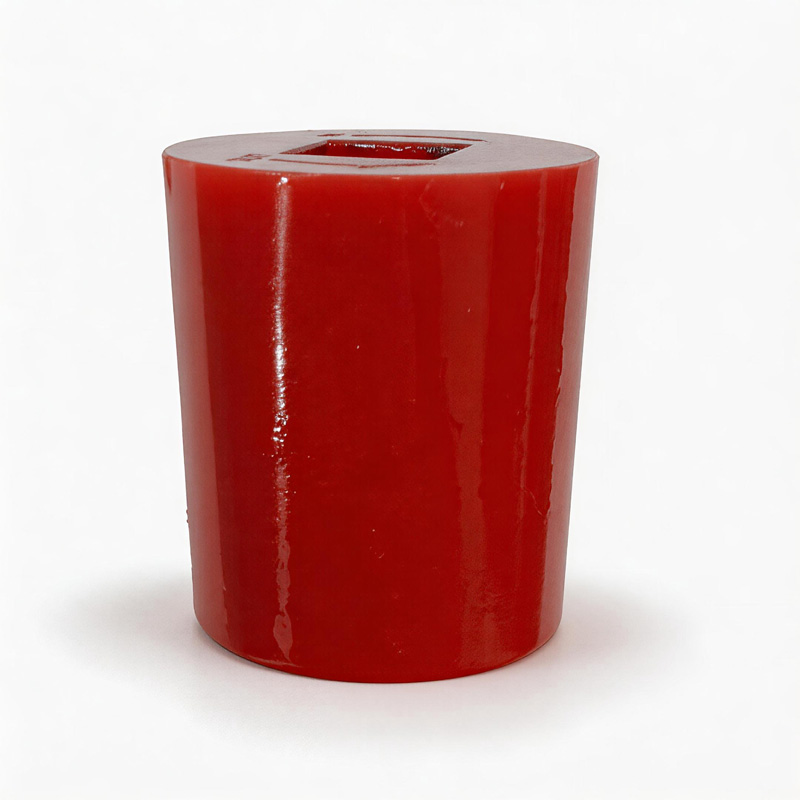
Partial discharge sensing line
Partial discharge sensing line
Contact us
Send an Email
Product Instruction
Related Products
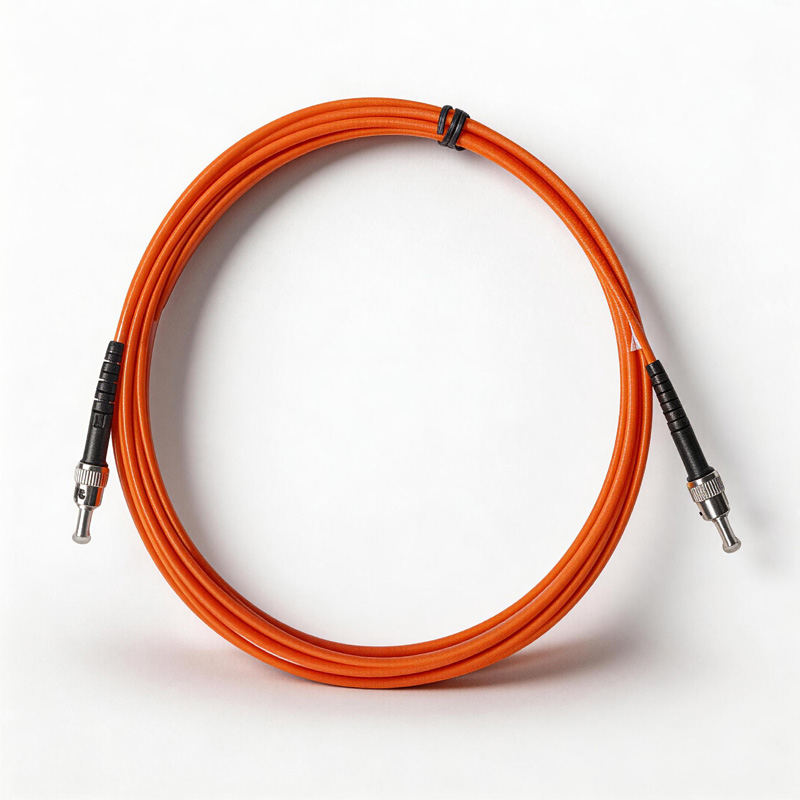
Fluorescent Fiber Optic Extension Cable
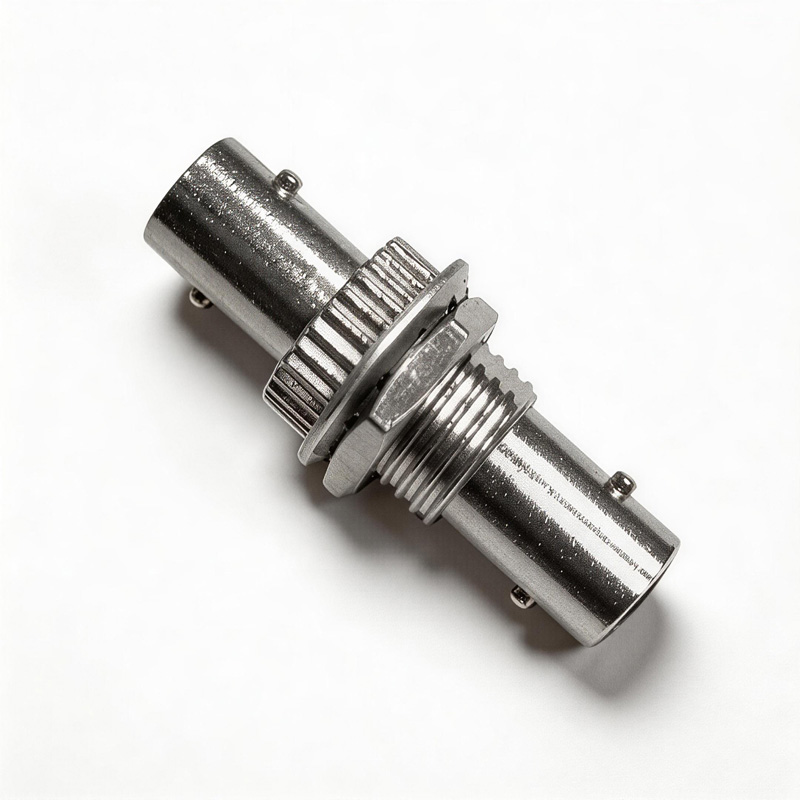
Fluorescent Fiber Optic Coupler
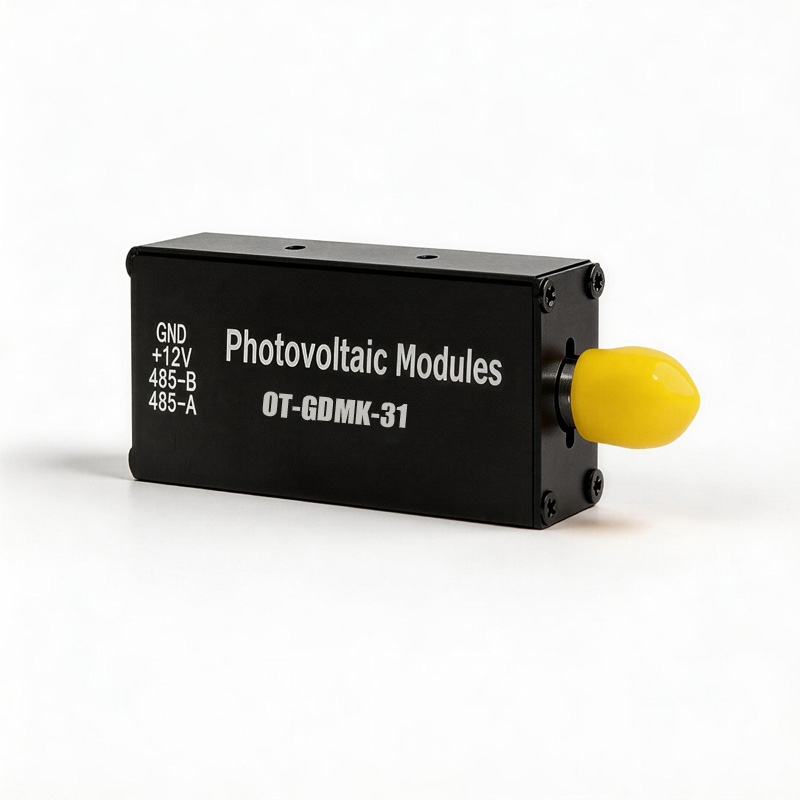
Fluorescent Fiber Optic Transceiver Module
Fluorescent Fiber Optic End Cap
Send us an Inquiry
Fill out the form below, and we will be in touch shortly.
Contact Information
Name
phone
email
submit ⟶
WhatsApp
Email
Call us!