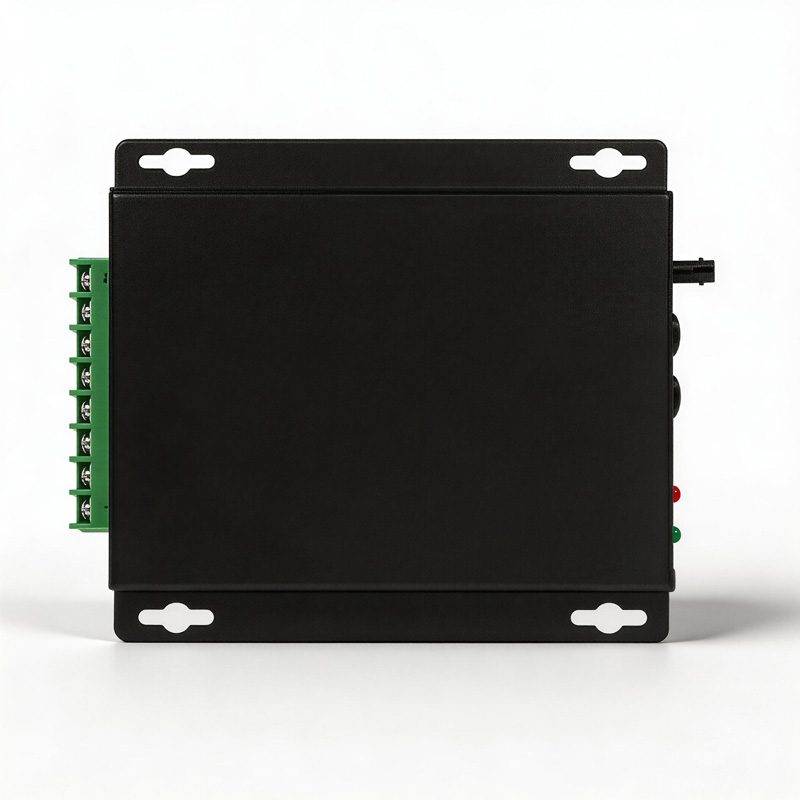
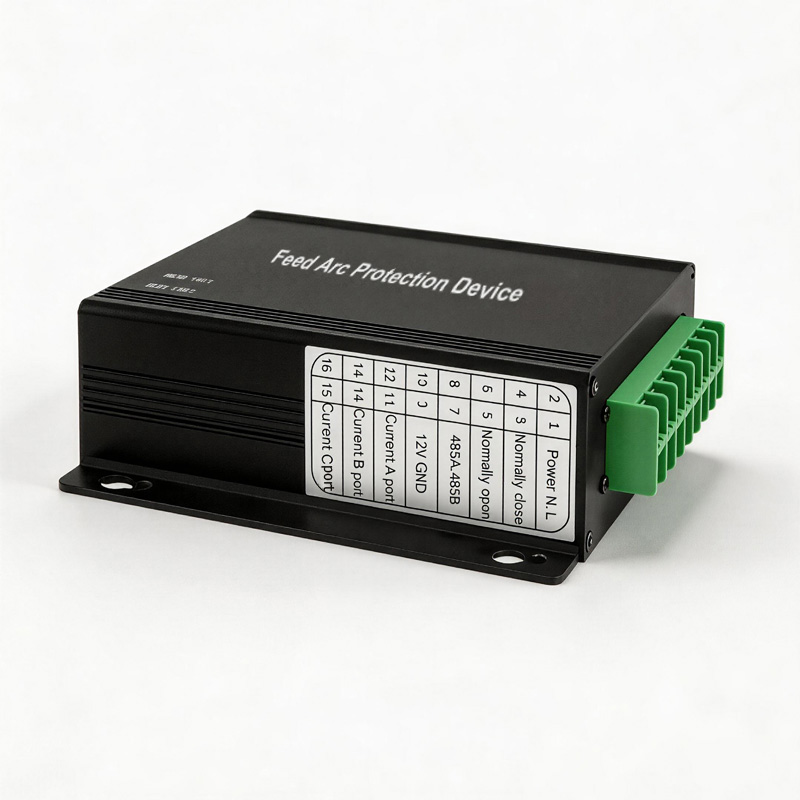
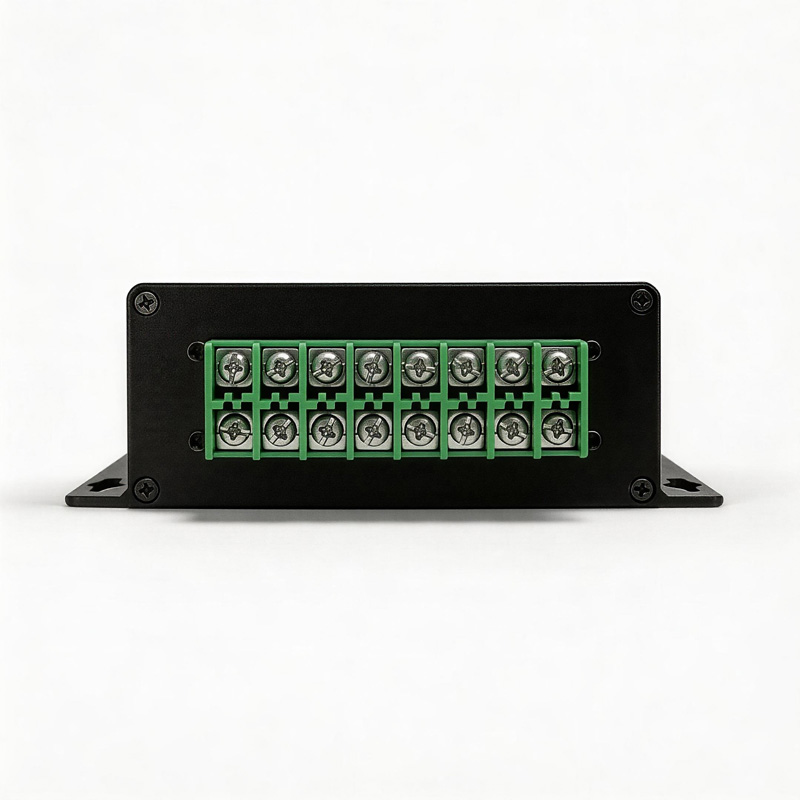
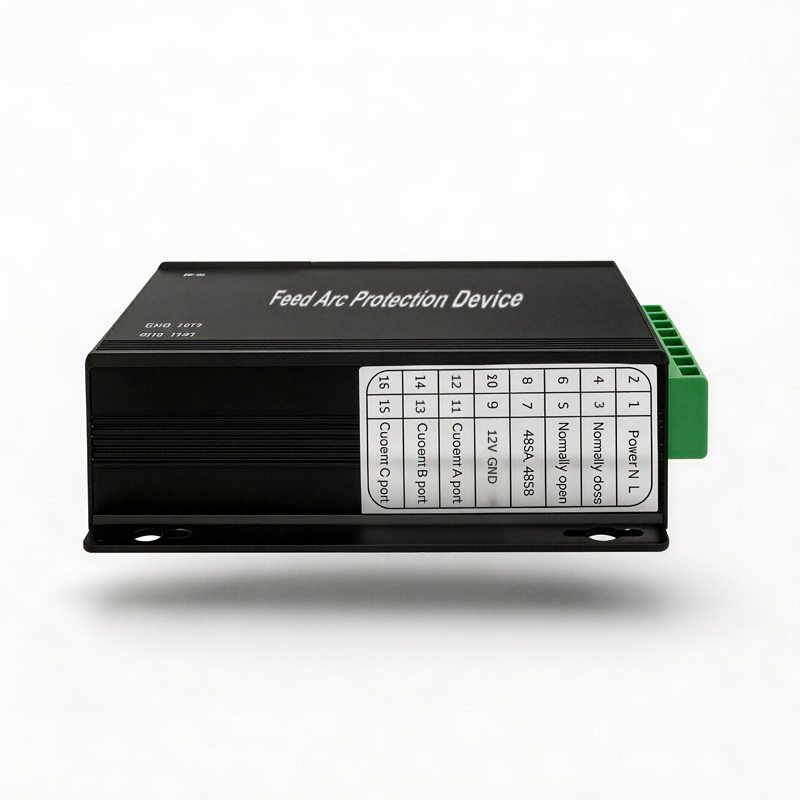
Features
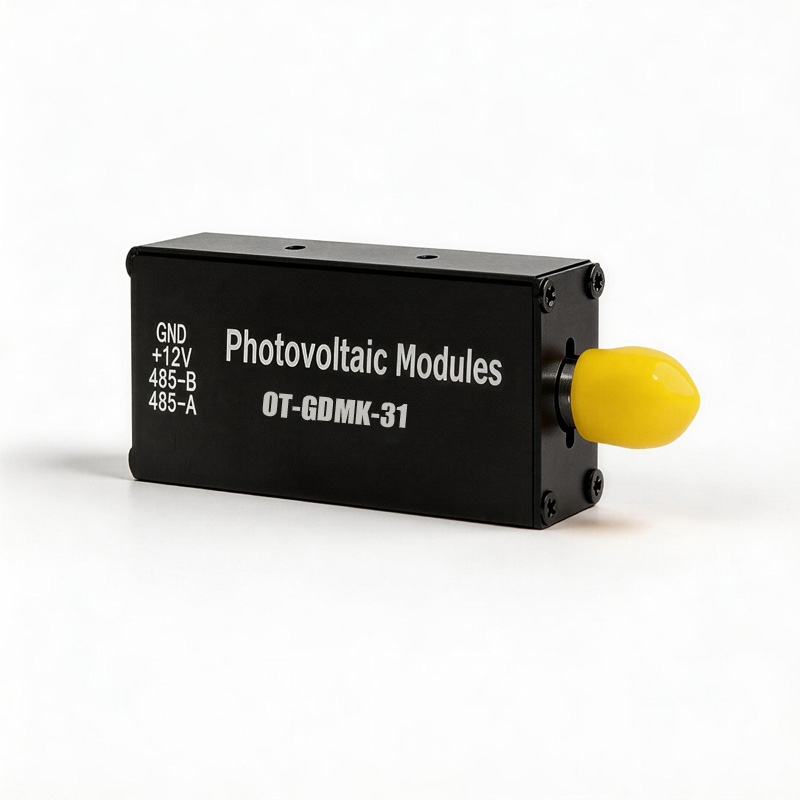
The sensor features unique arc detection capabilities, enabling it to reliably distinguish between electric arc light and interfering visible light sources.
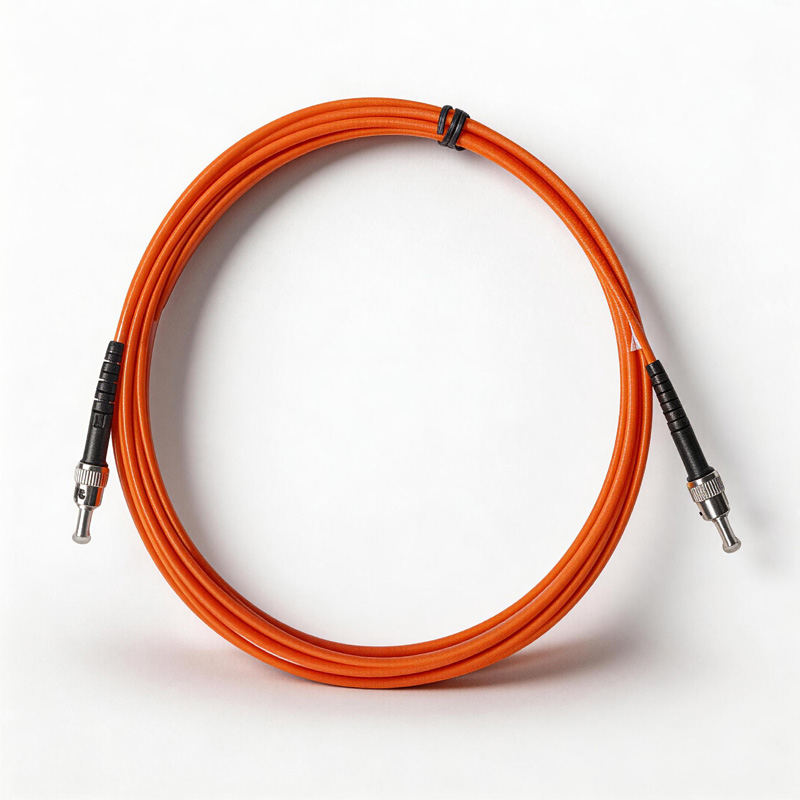
The sensor utilizes highly reliable POF (Plastic Optical Fiber) cabling, which offers exceptional resistance to bending and tension and is completely immune to electromagnetic interference, making it suitable for operation in strong electromagnetic environments.
It possesses robust immunity to visible light interference and offers a wide range of applicability, making it particularly well-suited for operation in harsh environments.
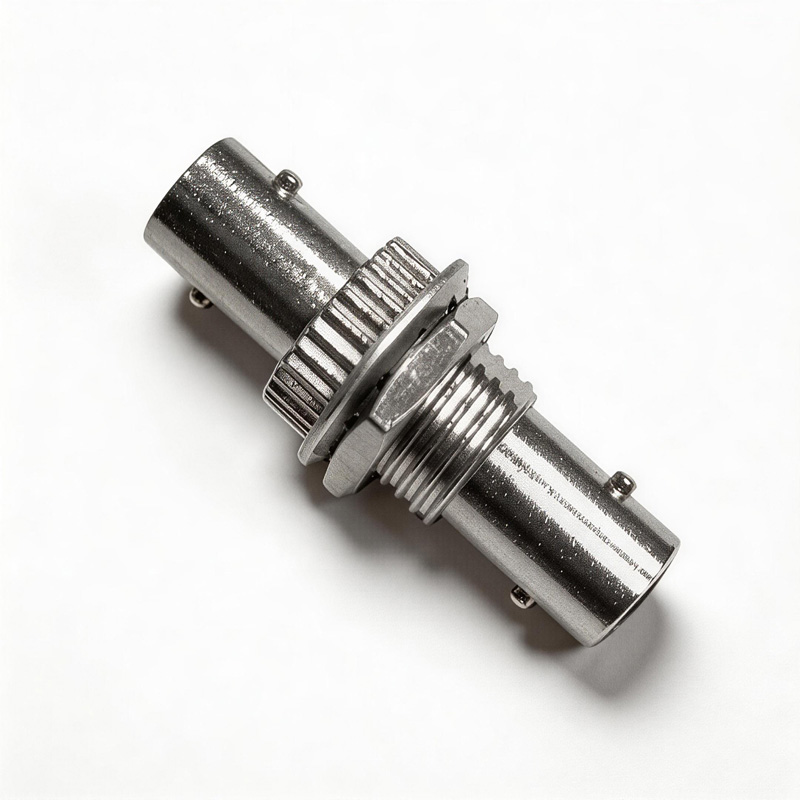
The probe and fiber optic cable are connected via a POF connector, allowing for the installation of the probe and the routing of the fiber to be performed as separate, sequential steps.
It features a rapid response speed, with a typical total response time of 5 ms from the onset of the arc event to the activation of the relay.
It offers a wide detection coverage area, with a maximum detection angle of 240 degrees.
Technical Parameters
| Model |
OT-HGJ-02 |
| Total Response Time |
5 ms (Typical) |
| Sensitivity (Activation Threshold) |
4 mW/cm² (Typical) |
| Response Spectrum |
300 nm – 700 nm (Visible Light Probe) |
| 250 nm – 420 nm (UV Light Probe) |
| Fiber Optic Interface |
ST |
| Detection Angle |
Max. 240° |
| Power Consumption |
2 W |
| Power Supply |
Rated Voltage |
220 V AC & 24 V DC (Optional) |
| Voltage Range |
AC: 100–240 V |
| DC: 9–36 V (Optional) |
| Trip |
Maximum Voltage |
250 V AC; 30 V DC (Optional) |
| Continuous Current-Carrying Capacity |
6 A |
| Action Time |
4 ms (Typical) |