
Analysis of The Energy Storage Temperature Control System
Statistics show that global energy storage safety incidents have occurred frequently over the past decade, with a significant increase in the number of incidents in 2022 and 2023. These incidents not only affect the lifespan of energy storage systems but also threaten the safety of the entire system. Therefore, the importance of temperature control systems in the energy storage field is self-evident.
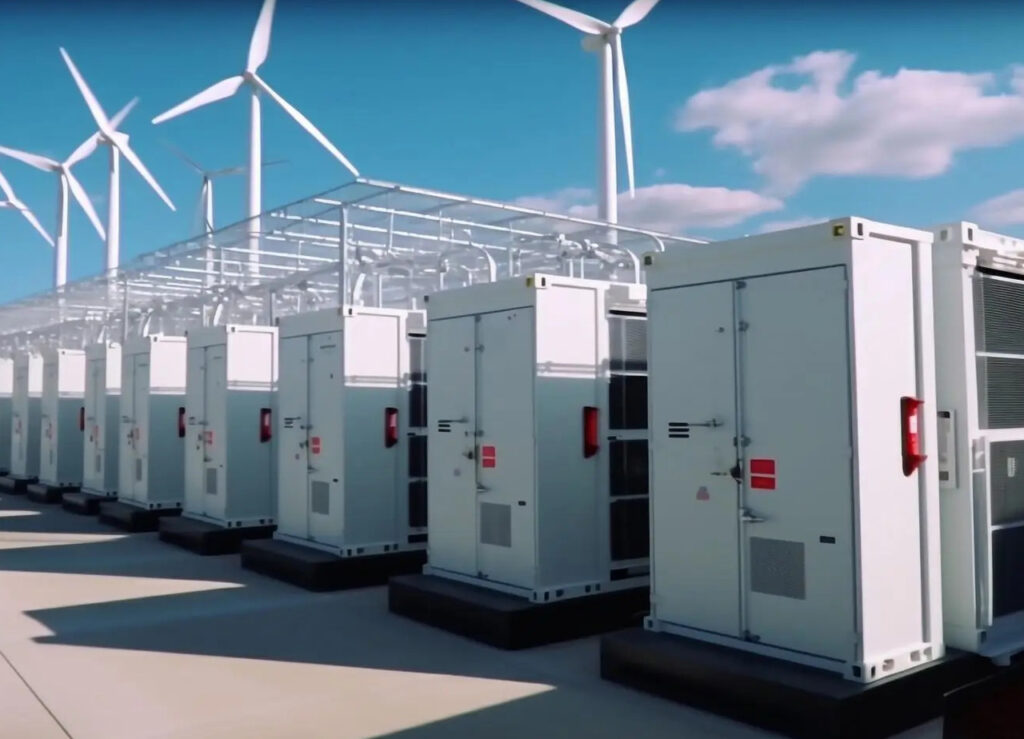
The main causes of energy storage accidents include thermal runaway caused by internal cell failure, such as fires or explosions of batteries and modules. These accidents typically begin with fire symptoms followed by an explosion, often due to the failure of a single cell. A failed cell triggers an internal chemical reaction, releasing a large amount of heat, causing a rapid temperature rise that spreads to nearby batteries and modules, leading to fires or even explosions. In addition, overcharging, control system malfunctions, thermal exposure, external short circuits, and internal short circuits can also cause cell failure.
1. Policy requirements have set clear guidelines for energy storage safety.
The ideal operating temperature range for lithium-ion batteries is 10–35°C. Within this range, lithium-ion batteries maintain both high efficiency and safety. Below 10°C, the electrolyte solidifies, leading to increased impedance; above 35°C, battery capacity, lifespan, and safety are all affected.
Given the characteristics of energy storage systems—large capacity, high power, and stringent heat dissipation requirements—and the inherent issues of battery overheating and uneven temperature distribution, meticulous thermal management is essential. Otherwise, battery performance will be compromised, potentially leading to thermal runaway and safety accidents.
To strengthen the safety management of electrochemical energy storage power stations, the National Energy Administration issued a relevant notice in April 2022. The notice emphasized the need for liquid cooling technology in medium- and high-power energy storage products, predicting that liquid cooling will become the mainstream solution in the future. Meanwhile, air cooling technology still has room for development in small-capacity energy storage projects, especially in high-altitude and water-scarce areas.
As large-scale energy storage projects expand, higher demands are placed on the heat dissipation efficiency and temperature difference control of temperature control systems. Currently, several gigawatt-level single-unit energy storage projects are planned for launch in China, meaning future power stations will contain millions of battery cells, posing even greater challenges to temperature control systems.
This presents a more stringent challenge to the overall capabilities of temperature control systems. Simultaneously, with technological advancements, the capacity of individual battery cells is continuously increasing. Although the mainstream battery cell capacity for current energy storage power stations is still 280Ah, leading manufacturers have launched 300Ah+ cell products, and some have even introduced dedicated cells exceeding 500Ah per cell. This increase in cell capacity places higher demands on the heat dissipation efficiency of temperature control systems, which traditional air-cooled systems can no longer adequately handle.
2. Domestic temperature control companies layout
Currently, the domestic energy storage temperature control market is mainly dominated by data center temperature control companies, industrial cooling equipment companies, and automotive temperature control companies. Among them, Invec, Shenling Environment, and Tongfei are major players. These companies have deep accumulation and experience in their respective temperature control sub-markets. It is worth noting that because the temperature control environment of data centers is similar to that of energy storage, Invec and Shenling Environment, which originated from data center temperature control, are currently leading in the energy storage temperature control field.
Manufacturers with accumulated experience in liquid cooling technology and with joint R&D experience or good cooperative relationships with mainstream energy storage system integrators and battery manufacturers are expected to gain more market opportunities.
Domestic energy storage temperature control solution providers can be roughly divided into three categories:
First, there are manufacturers in the data center temperature control field, such as Invec, whose technology and experience provide strong support for energy storage temperature control.
Second, industrial cooling equipment companies such as Tongfei and Gaolan are also entering the energy storage industry, leveraging their existing technological advantages to meet new challenges.
Furthermore, some traditional air conditioning, compressor, and automotive thermal management companies are also seeking transformation, such as Shenling Environment, Langjin Technology, Aotecar, Songzhi Shares, and Yinlun Shares. Their innovative thinking and advanced technologies will inject new vitality into the energy storage temperature control field.
Due to the diverse application scenarios of energy storage systems, temperature control systems need to be flexible and customizable to meet the needs of different customers. This customization capability has become a core competitive advantage for temperature control manufacturers.
In addition, as a key component of liquid cooling systems, the design and selection of liquid cooling plates often require joint development and confirmation with customers and must be used in conjunction with batteries. This further increases the complexity and technical requirements of energy storage temperature control systems.
3. Energy storage temperature control industry chain analysis
The upstream of the energy storage temperature control industry chain consists of air-cooled core components (compressors, heat exchangers, fans, etc.) and liquid-cooled core components (liquid cooling plates, evaporators, coolants, etc.). Compressors are mainly made of steel, and rising steel prices are expected to drive a slight increase in the price of air-cooled compressors. Liquid cooling plates are mainly made of aluminum heat exchange materials, and a recovery in the aluminum processing industry is expected to push up liquid cooling prices.
The midstream consists of energy storage temperature control system integrators, currently mainly divided into air-cooled and liquid-cooled camps (some companies participate in both). Midstream manufacturers include Invic, Tongfei, and Aotecar, among others, which differ in technology, products, and market strategies.
The downstream consists of energy storage temperature control application demanders, including energy storage battery manufacturers, energy storage system integrators, large-scale wind and solar power plants on the power generation side, power grids, and industrial, commercial, and residential energy storage. With the rapid development of the new energy industry, downstream demand for energy storage temperature control is constantly growing, driving the development of the entire industry.
4. Market size of energy storage temperature control industry
The global energy storage temperature control industry is experiencing rapid growth. The rapid advancements in energy storage technology and its expanding applications from traditional sectors to emerging scenarios have fueled a surge in market demand for energy storage temperature control systems. A series of favorable domestic and international policies have acted as a powerful driving force, continuously injecting momentum into the energy storage industry. Coupled with the explosive growth in energy storage demand itself, the energy storage temperature control market has ushered in unprecedented development opportunities in recent years. Especially in China, various provinces and cities have increased the duration and proportion of energy storage allocation, highlighting the economic viability of independent energy storage power stations. Large-scale energy storage projects and industrial and commercial energy storage have expanded strongly. These factors have collectively driven the continuous growth of the energy storage temperature control market.
In terms of market size, the Chinese energy storage temperature control market reached 1.55 billion yuan in 2023. It is projected to grow to 2.5 billion yuan by 2026. During this growth process, technological innovation continues to drive product upgrades, intelligent management methods continuously optimize temperature control strategies, and standardization and regulation are gradually improving, providing a solid guarantee for the steady expansion of the market.
Conclusion
Against the backdrop of the national “dual-carbon” strategy, new energy storage, as a core component coordinating the interaction between power generation, grid, load, and storage, and balancing dynamic power supply and demand, has become a crucial support for achieving the national “dual-carbon” strategy. However, specifically in the energy storage temperature control market, players aiming to gain a competitive edge need to focus on the following points:
Strengthen liquid cooling technology advantages. The energy storage temperature control industry has certain technological barriers, especially liquid cooling solutions, which present significant technical challenges in ensuring heat dissipation while preventing coolant leakage. Driven by space utilization, liquid cooling solutions are the mainstream trend for future energy storage temperature control, making excellent liquid-cooled energy storage temperature control solutions essential for market penetration.
Accumulate modular customization capabilities. my country’s energy storage thermal management lacks unified standards, and downstream customer needs are diverse, with varying application scenarios, environments, and performance requirements. Therefore, temperature control manufacturers with rapid response and flexible customization capabilities will be in a leading position. Furthermore, modular design effectively reduces development investment, offering a cost advantage.