
How does temperature affect transformers?
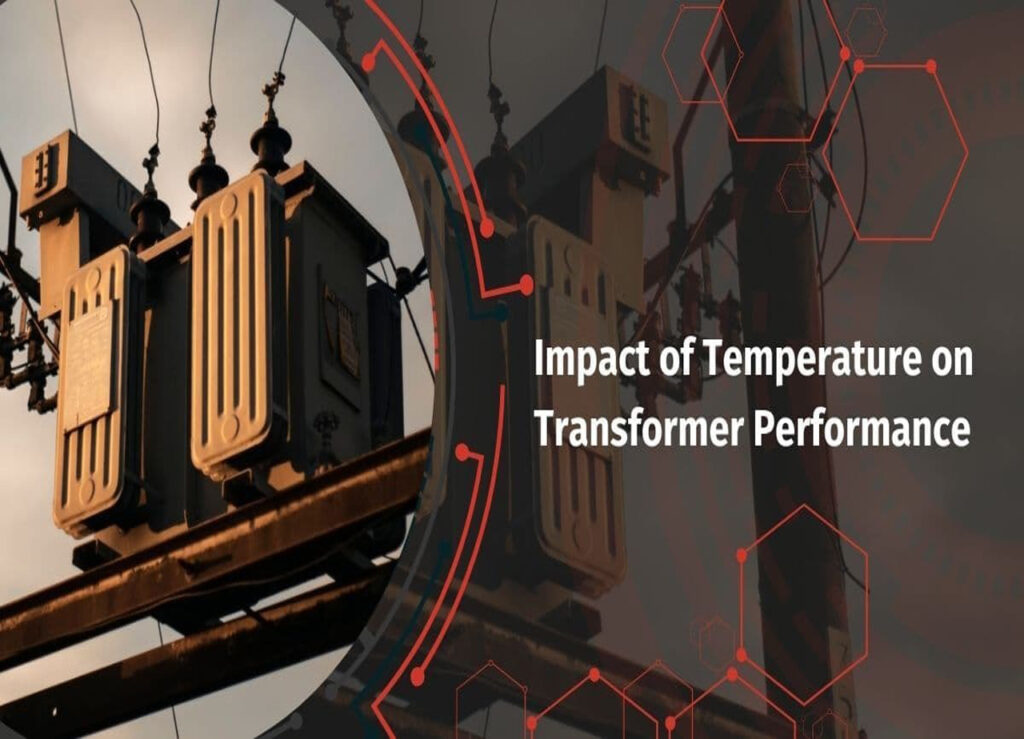
Once a transformer overheats, its insulation lifespan is drastically shortened. Statistics show that the average annual accident rate for transformers of 110 kV and above is approximately 0.69%, with the highest proportion of cases involving winding burnout due to insulation aging and breakdown caused by prolonged overheating. Although heavy gas protection is not electrical protection, it can trigger an alarm when temperatures are abnormal, demonstrating that temperature measurement is not a dispensable auxiliary device, but rather the first line of defense against accidents.
Commercial New Energy Comprehensive Solution: Diversified Approaches for Multiple Scenarios
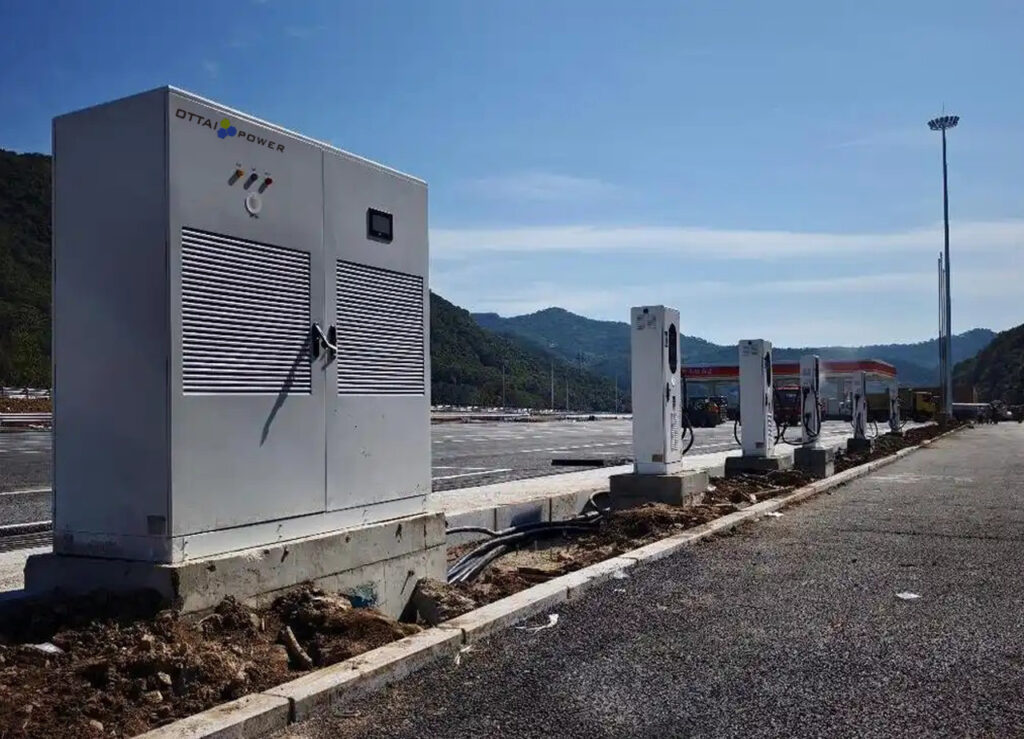
Driven by both “dual carbon” goals and industrial upgrading, the new energy transformation of commercial vehicles has become an inevitable trend. Currently, commercial new energy solutions are evolving from single technology routes to comprehensive solutions that cover all scenarios and integrate hardware, software, and services, aiming to systematically address core pain points such as operational economy, scenario applicability, and refueling efficiency.
Analysis of the Multiple Importance of the Energy Storage Temperature Control System
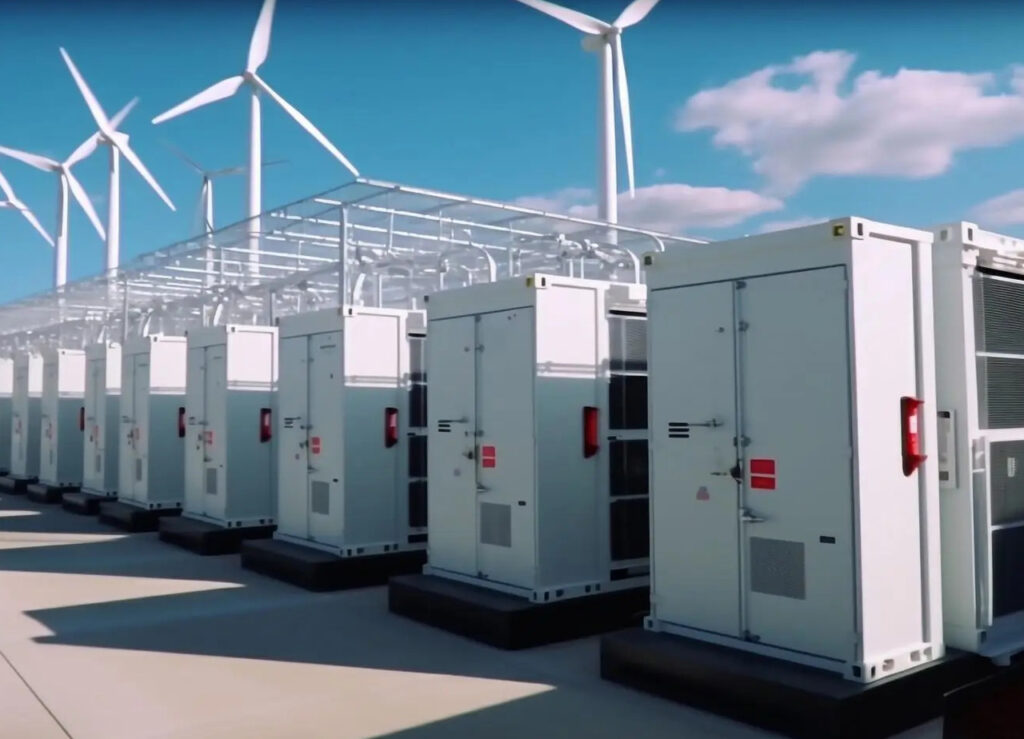
Electrochemical energy storage, as a key component of the new energy system, plays a crucial role in increasing the proportion of renewable energy consumption and ensuring the stable operation of the power system. However, with the rapid increase in installed energy storage capacity, the capacity and power of individual energy storage battery systems are also constantly increasing, leading to higher heat dissipation requirements. At the same time, the problems of heat generation and uneven temperature distribution within the energy storage system are becoming increasingly prominent, resulting in growing safety hazards.
The mutual support between smart grids and smart transportation
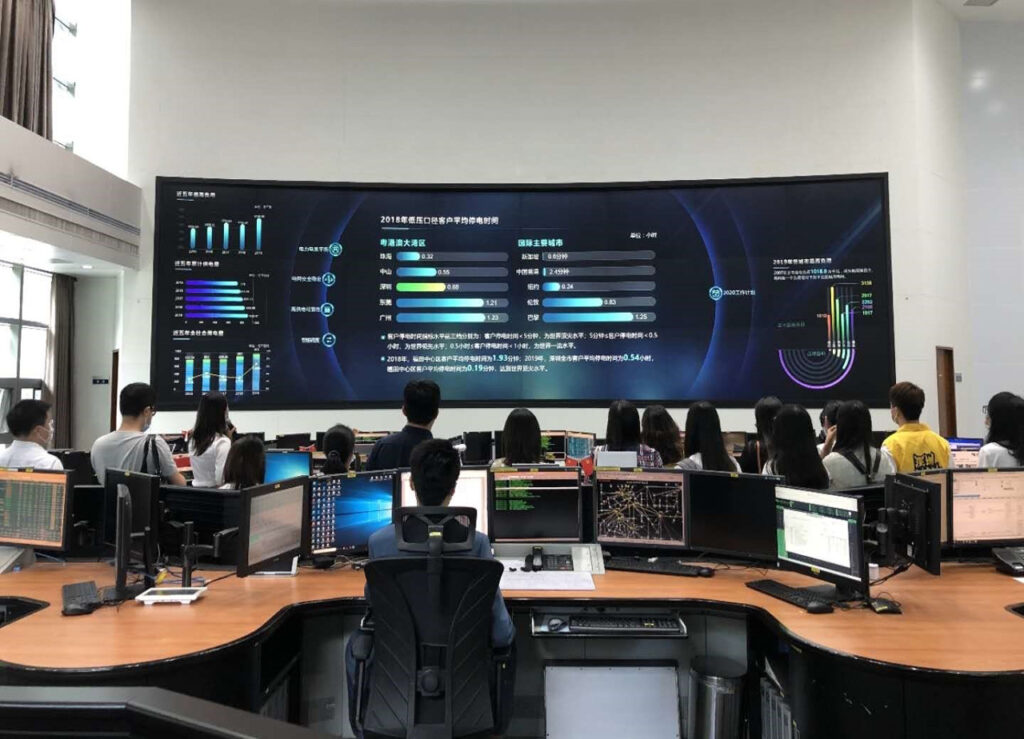
Smart grids provide clean power support for smart transportation: The widespread adoption of new energy vehicles (such as electric buses, taxis, and heavy trucks) relies on a stable, efficient, and low-carbon power supply from smart grids. The State Grid’s smart vehicle-to-grid platform has achieved “human-vehicle-charging station-grid” coordination, supporting nationwide charging services.
Smart transportation enhances grid regulation capabilities: Electric vehicles can serve as distributed energy storage units, participating in grid peak shaving and valley filling. For example, through demand-side response technology, they can be charged during off-peak hours or fed back to the grid during peak hours.
Energy Management and Green City Construction

In IBM’s book “Smart Cities in China,” a “smart city” is defined as: “a city that can fully utilize information and communication technologies to sense, analyze, and integrate key information from the core systems of urban operation, thereby responding intelligently to various needs, including those related to people’s livelihoods, environmental protection, public safety, urban services, and industrial and commercial activities, and creating a better urban life for humanity.”
Grid Management in Power-Scarce Regions Matters More Than Ever
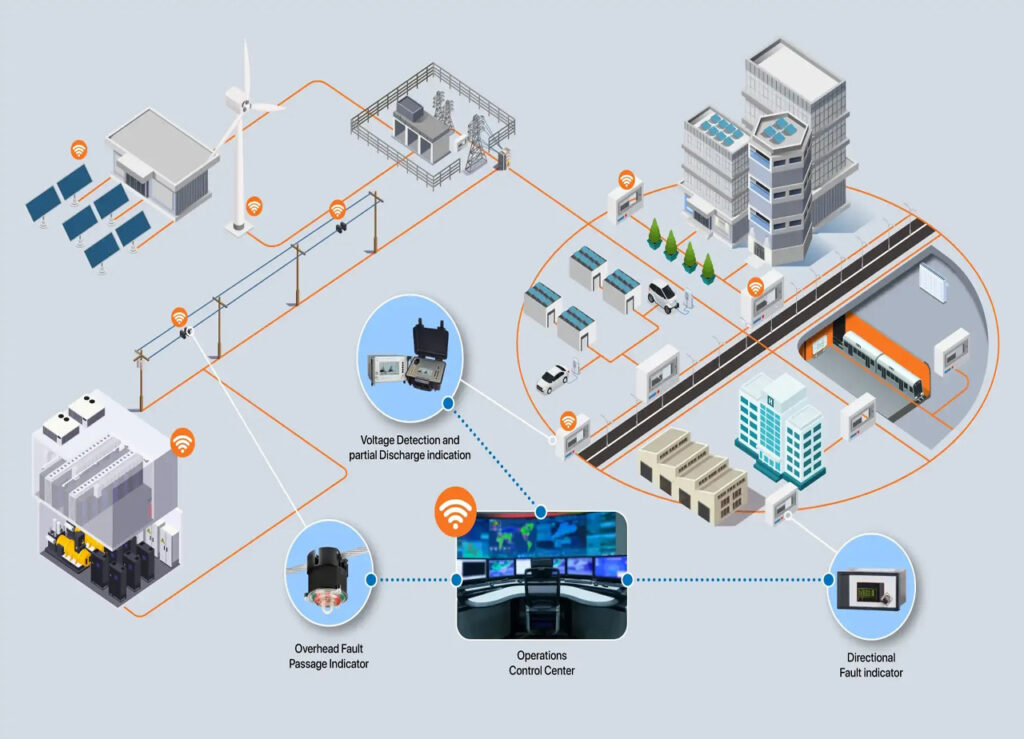
Why effective grid management is critical in areas with limited power resources, especially amid climate and economic pressures.
Smart Thermal Control in Modern Power Systems
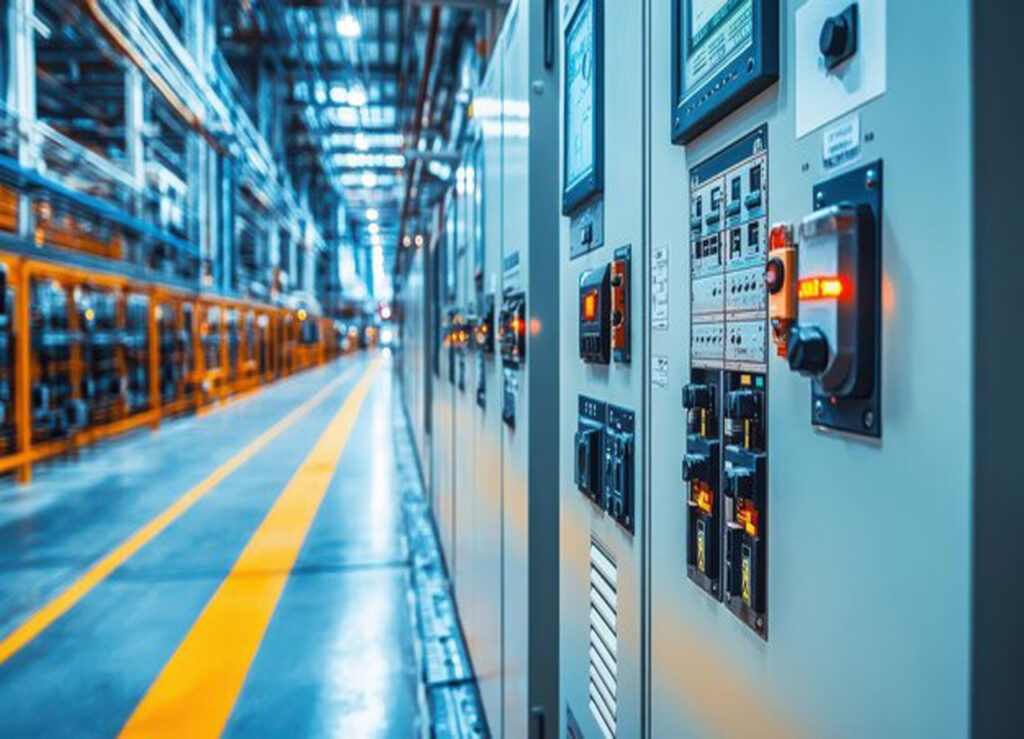
Discover how quartz-based Weigh-in-Motion systems are reshaping smart transportation with real-time weight monitoring, improved enforcement, and data-driven infrastructure planning.