
Energy Management and Green City Construction
Smart cities aim to improve energy efficiency, promote the widespread use of renewable energy, and drive the construction of green cities. This involves the construction of smart grids, which allow for two-way communication between electricity suppliers and consumers, thereby optimizing power distribution. For example, based on demand response mechanisms, when the grid load is too high, the system automatically sends energy-saving notifications to users and remotely cuts off power to non-critical appliances. Furthermore, distributed energy resources (DERs), such as solar panels and wind turbines, can be integrated into the main grid through microgrid technology to ensure the stability and reliability of energy supply. Simultaneously, blockchain technology is used to track the production and consumption of clean energy, enhancing market transparency.

With the development of technologies such as the Internet of Things, big data, and AI, my country’s smart city construction is moving from the 1.0 era of connecting to the Internet to the 2.0 era of more efficient data interconnection. The construction and development of smart cities provides numerous application scenarios for emerging technologies, including smart grids, smart transportation, environmental monitoring and ecological protection, and public safety. This article will focus on the development of these application scenarios.
Smart Grid
Smart cities aim to improve energy efficiency, promote the widespread use of renewable energy, and drive the construction of green cities. This involves the construction of smart grids, which allow for two-way communication between electricity suppliers and consumers, thereby optimizing power distribution. For example, based on demand response mechanisms, when the grid load is too high, the system automatically sends energy-saving notifications to users and remotely cuts off power to non-critical appliances. Furthermore, distributed energy resources (DERs), such as solar panels and wind turbines, can be integrated into the main grid through microgrid technology to ensure the stability and reliability of energy supply. Simultaneously, blockchain technology is used to track the production and consumption of clean energy, enhancing market transparency.
Smart Transport
Intelligent Transportation Systems (ITS) are a core component of smart city development, aiming to improve traffic management efficiency and safety. Ref:https://ottai-its.com. This system utilizes sensor networks, GPS positioning technology, and real-time data analytics to monitor and manage all traffic flow within the city. For example, cameras and radar devices deployed along roadsides or on traffic lights can collect key data such as vehicle speed and traffic volume. This information is initially processed by edge computing nodes and then transmitted to a central management system to generate dynamic route planning suggestions and adjust traffic light timings. The application of advanced algorithms such as deep learning and reinforcement learning makes it possible to predict traffic patterns, thereby effectively alleviating congestion and reducing traffic accident rates.

Environmental Monitoring & Ecological Protection
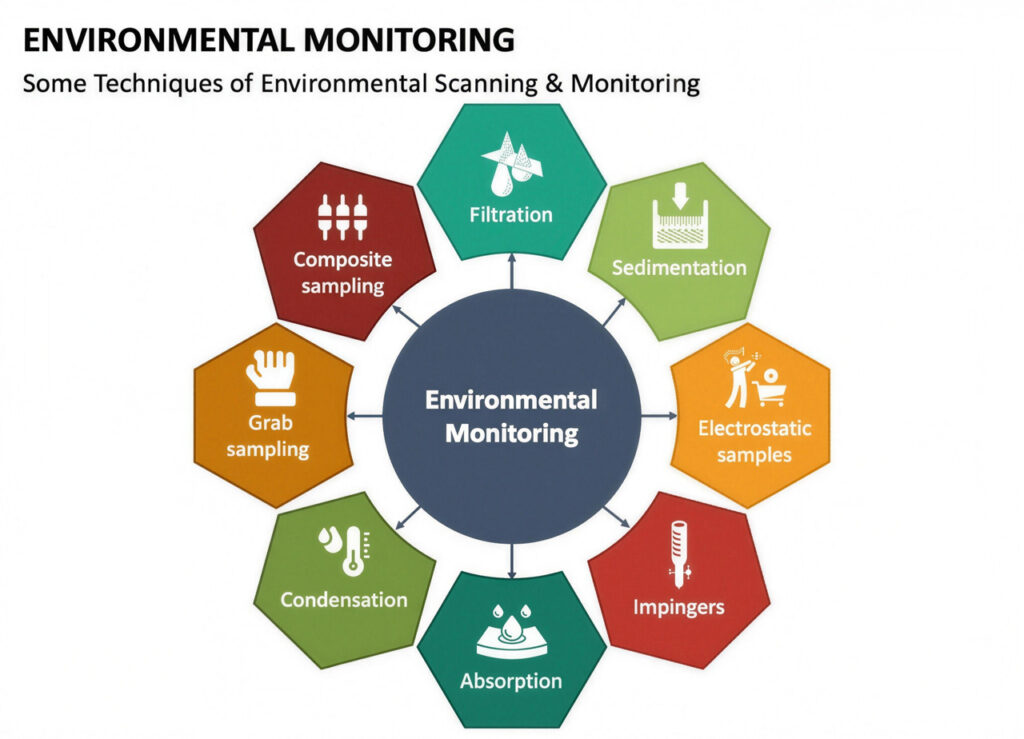
Environmental protection is a key objective of smart cities. By deploying various sensor networks, environmental parameters such as air quality, water quality, and noise levels can be monitored in real time. For example, PM2.5 sensors and weather stations provide accurate air pollution data, helping governments formulate targeted emission reduction policies. The Internet of Things (IoT) facilitates cross-regional data sharing, promoting broader cooperation in environmental governance. Furthermore, Geographic Information Systems (GIS), combined with remote sensing imagery, can be used to assess the health of ecosystems and guide urban greening plans and biodiversity conservation projects.
Public Safety
To ensure public safety, smart cities employ a range of high-tech methods to enhance emergency response capabilities and crime prevention. Video surveillance systems, combined with facial recognition technology and behavioral analysis algorithms, can quickly identify potential threats and issue warnings. Drone and robotic patrols supplement traditional security methods, especially in hard-to-reach areas. Big data analytics tools help police uncover crime trends and predict high-risk areas, enabling proactive police deployment. Meanwhile, cybersecurity measures are crucial for protecting citizens’ privacy and personal information security, necessitating the establishment of robust information encryption and access control mechanisms.

Conclusion
The above outlines the current status and trends of the four key application areas of smart cities in my country. Looking ahead, in the advanced stage of smart city construction, in addition to these four application areas, various application scenarios, including smart education, smart living, smart communities, and the smart economy, will be interconnected and linked. The OTTAI Group will also work with partners to drive disruptive innovation in society, promote socio-economic development, further improve the quality of life for residents, and ensure the continued development of the urban ecosystem.