
The mutual support between smart grids and smart transportation
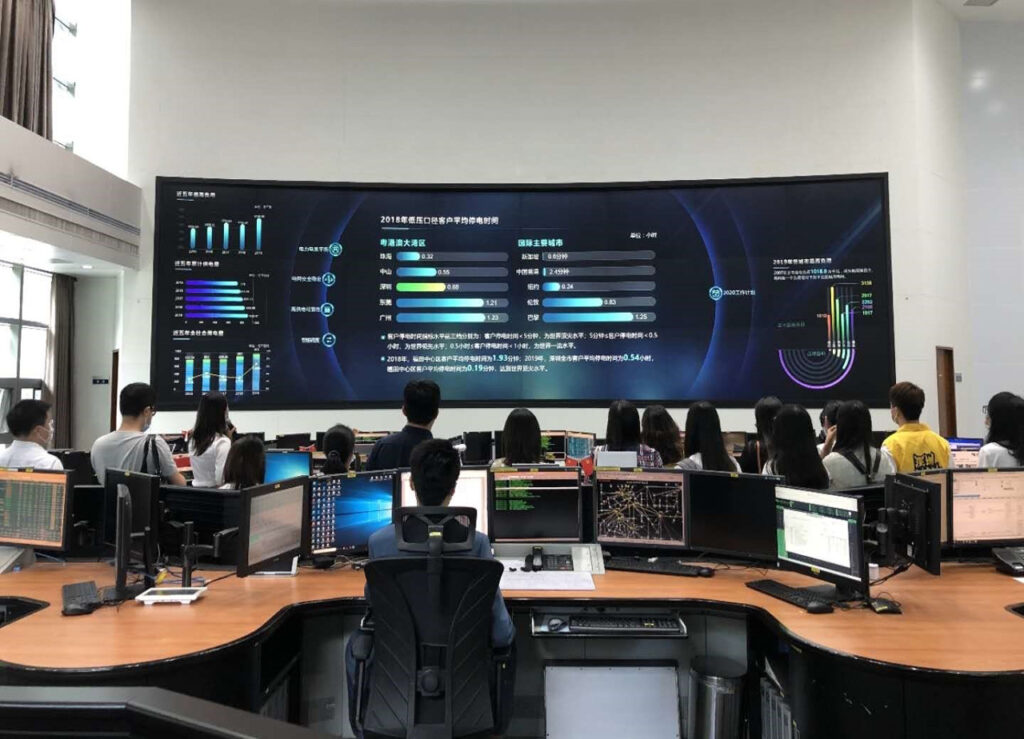
Smart grids provide clean power support for smart transportation: The widespread adoption of new energy vehicles (such as electric buses, taxis, and heavy trucks) relies on a stable, efficient, and low-carbon power supply from smart grids. The State Grid’s smart vehicle-to-grid platform has achieved “human-vehicle-charging station-grid” coordination, supporting nationwide charging services.
Smart transportation enhances grid regulation capabilities: Electric vehicles can serve as distributed energy storage units, participating in grid peak shaving and valley filling. For example, through demand-side response technology, they can be charged during off-peak hours or fed back to the grid during peak hours.
Energy Management and Green City Construction

In IBM’s book “Smart Cities in China,” a “smart city” is defined as: “a city that can fully utilize information and communication technologies to sense, analyze, and integrate key information from the core systems of urban operation, thereby responding intelligently to various needs, including those related to people’s livelihoods, environmental protection, public safety, urban services, and industrial and commercial activities, and creating a better urban life for humanity.”