
Smart Thermal Control in Modern Power Systems
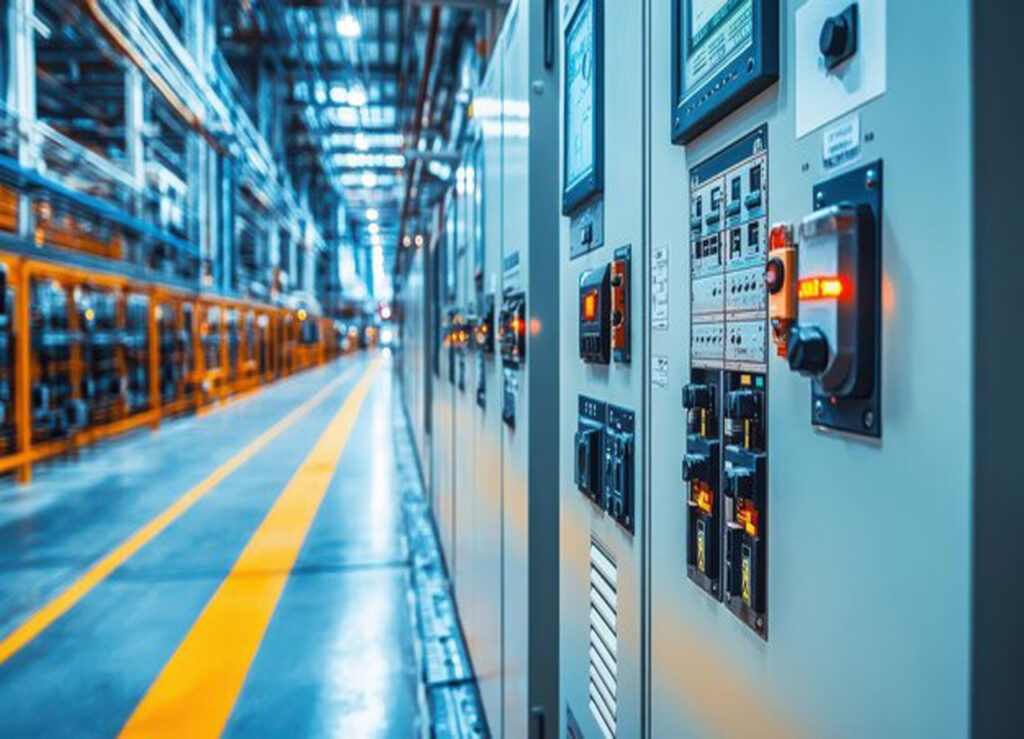
Thermal management of power systems
In recent months, social media has been buzzing about energy efficiency and climate-friendly infrastructure. Thermal control in power systems has become a trending topic as utilities face rising demand and extreme weather challenges. Modern electric power thermal control solutions use intelligent sensors and automated cooling strategies to maintain stable operating temperatures. This not only improves equipment lifespan but also reduces energy waste, aligning with global sustainability goals. As conversations on X and LinkedIn highlight the urgency of building greener grids, thermal control technologies are emerging as essential tools for future-ready power networks.
Fully electrically connected society
From March 20th to 23rd, Mr. Florian Spiteller, a member of the Executive Committee of the German Commission for Electrical, Electronic & Information Technologies (DKE), was invited to visit State Grid Beijing Electric Power Company and the Institute of New Power System and International Standards of Wuhan University. He delivered two consecutive and highly insightful special reports on the “All-Electric Interconnected Society”. Centering on the global carbon neutrality goal, he delved deeply into the core paths, technical foundations, practical challenges, and key solutions of the energy transition, and systematically expounded on how standardization plays a crucial role in transforming the vision of an all-electric interconnected society into reality.
What is a fully electrically connected society?
The All-Electric Connected Society (AECS) is a new social form that centers on zero-carbon electricity, is based on the full electrification of all industries, and is supported by digitalization and standardization. It achieves the interconnection and efficient collaboration of the entire energy chain.
Why is it necessary to move towards fully electric connectivity?
- The urgent need for energy security and clean energy
Zero-carbon energy sources (such as solar power, wind power, nuclear energy, etc.) have surpassed traditional fossil energy sources in terms of cleanliness and safety, and have become an irreversible trend in global energy development. - The inevitable path for decarbonization of the entire industry
To achieve carbon neutrality in all industries such as energy, industry, transportation, and construction, it is necessary to achieve the substitution of fossil energy in non-electric sectors through electrification, and to open up the decarbonization paths for all industries – this is precisely the core mission of the all-electric interconnected society.